
Selecting Industrial Gear Lubricants for Efficiency
- Ben Tomblin
- Dec 8, 2025
- 3 min read

Updated: Mar 13
Choosing the Right Gear Lubricant: A Comprehensive Guide
Selecting the right gear lubricant is crucial for keeping machinery running smoothly. The right lubricant reduces wear, prevents overheating, and extends equipment life. But with so many options, how do you pick the best one? I’ll walk you through the essentials of gear lubricant selection, helping you make smart, practical choices that boost efficiency and cut downtime.
Understanding Gear Lubricant Selection: What Matters Most
When selecting a gear lubricant, you need to consider several key factors. These include the type of gears, operating conditions, and the lubricant’s properties. Here’s what I focus on:
Gear type: Different gears need different lubricants. For example, worm gears require lubricants with high extreme pressure (EP) additives, while spur gears might need something lighter.
Load and speed: Heavy loads and high speeds generate more heat and stress. Choose lubricants that can handle these conditions without breaking down.
Temperature range: Lubricants must perform well in the operating temperature range. Some oils work better in cold starts, while others excel in high heat.
Contamination risk: Dust, water, and chemicals can degrade lubricants. Look for products with good resistance to contamination.
Viscosity: This affects how well the lubricant flows and protects. Too thick or too thin can cause problems.
By matching these factors to your equipment’s needs, you ensure optimal protection and performance.

How to Choose the Right Gear Lubricant: Practical Tips
Selecting the right lubricant isn’t guesswork. Follow these steps to get it right:
Check manufacturer recommendations: Always start with the equipment manual. Manufacturers specify the best lubricant types and grades.
Consider the operating environment: Harsh environments need tougher lubricants. For example, food processing plants require lubricants that meet food safety standards.
Evaluate lubricant specifications: Look for standards like ISO viscosity grades, API GL ratings, and OEM approvals.
Test lubricant compatibility: If switching lubricants, ensure the new one is compatible with the old to avoid sludge or deposits.
Plan for maintenance: Choose lubricants that allow longer drain intervals to reduce downtime.
Using these tips, you can narrow down your options and pick a lubricant that fits your needs perfectly.
Why Quality Matters in Gear Lubricant Selection
Not all lubricants are created equal. High-quality lubricants offer several advantages:
Better wear protection: They contain advanced additives that reduce friction and wear.
Improved thermal stability: They resist breakdown at high temperatures.
Corrosion resistance: Protect gears from rust and oxidation.
Extended equipment life: Less wear means longer-lasting machinery.
Reduced maintenance costs: Fewer breakdowns and longer oil change intervals save money.
Investing in quality lubricants pays off by keeping your operations running smoothly and avoiding costly repairs.
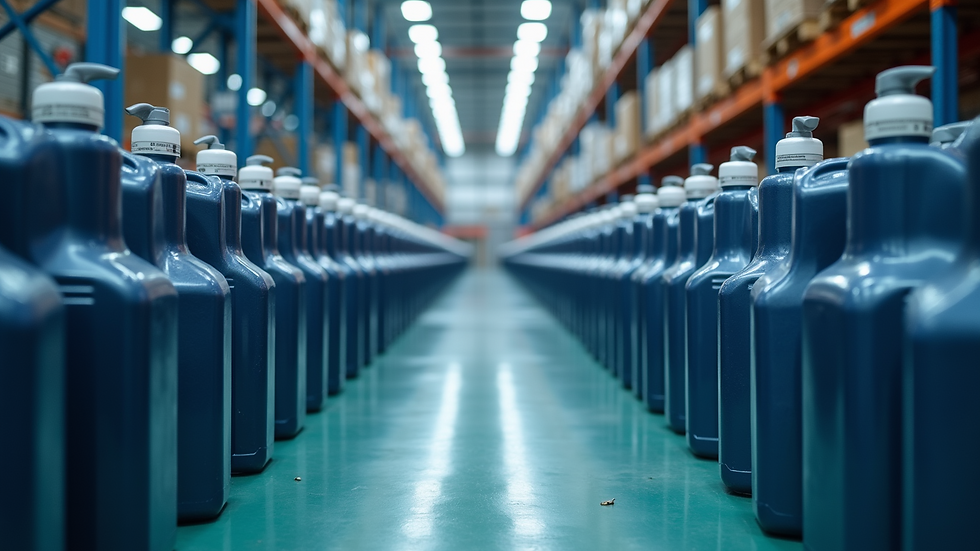
The Role of Custom Blending in Gear Lubricant Selection
Sometimes, off-the-shelf lubricants don’t meet specific needs. That’s where custom blending comes in. Custom blends can be tailored to:
Match unique operating conditions.
Meet special environmental or safety requirements.
Provide specific viscosity or additive packages.
Support flexible packaging sizes for easier handling.
Custom blending ensures you get exactly what your equipment needs, improving reliability and reducing downtime. Thames Lubricants Ltd specialises in this, offering flexible blending and packing solutions to keep your operations efficient.
How to Implement Effective Gear Lubricant Practices
Choosing the right lubricant is just the start. Proper application and maintenance are key to maximising benefits:
Regular monitoring: Check lubricant condition through analysis to catch contamination or degradation early.
Proper storage: Keep lubricants in clean, dry places to avoid contamination.
Correct application: Use the right amount and method to ensure full gear coverage.
Scheduled changes: Follow recommended oil change intervals based on operating hours and conditions.
Training staff: Ensure operators understand lubricant importance and handling procedures.
These practices help maintain lubricant performance and protect your investment.
Why I Recommend Thames Lubricants for Industrial Gear Lubricants
When it comes to industrial gear lubricants, I trust Thames Lubricants Ltd. They offer high-performance, custom solutions designed to meet the toughest demands. Their flexible blending and packing options mean you get exactly what your machinery needs, reducing downtime and boosting efficiency. Plus, their expertise ensures you get the right advice and support every step of the way.
Conclusion: The Key to Success in Gear Lubrication
Selecting the right gear lubricant is a smart investment. It protects your machinery, reduces maintenance costs, and keeps your operations running smoothly. By understanding your equipment’s needs, choosing quality products, and following best practices, you can maximise efficiency and reliability. Remember, the right lubricant is more than just oil - it’s a key to your success.
In summary, the journey to optimal gear lubrication involves understanding your equipment, selecting the right products, and implementing effective practices. With the right approach, you can ensure that your machinery operates at peak performance, reducing downtime and enhancing productivity.


Comments