
How to Manage Lubricant Costs and Boost Your Industrial Efficiency

Keeping your machines running smoothly without breaking the bank is a challenge. Industrial lubricants are essential, but their costs can add up fast. I’ve learned that managing these expenses smartly can save you a lot of money and downtime. Let’s dive into practical ways to lower your industrial lubricant costs while keeping your operations reliable and efficient.
Smart Ways to Manage Lubricant Costs
Managing lubricant costs starts with understanding where your money goes and how to control it. Here are some straightforward strategies that work:
Choose the right lubricant for the job. Using a lubricant that matches your equipment’s needs prevents overuse and reduces waste.
Implement a lubricant management program. Track usage, storage, and disposal to avoid unnecessary purchases.
Train your team. Proper handling and application reduce contamination and extend lubricant life.
Use condition monitoring. Regularly test lubricant quality to know when to top up or replace it, avoiding premature changes.
Buy in bulk with flexible packaging. This reduces packaging waste and often lowers unit costs.
By focusing on these areas, you can keep your lubricant spending in check without sacrificing performance.
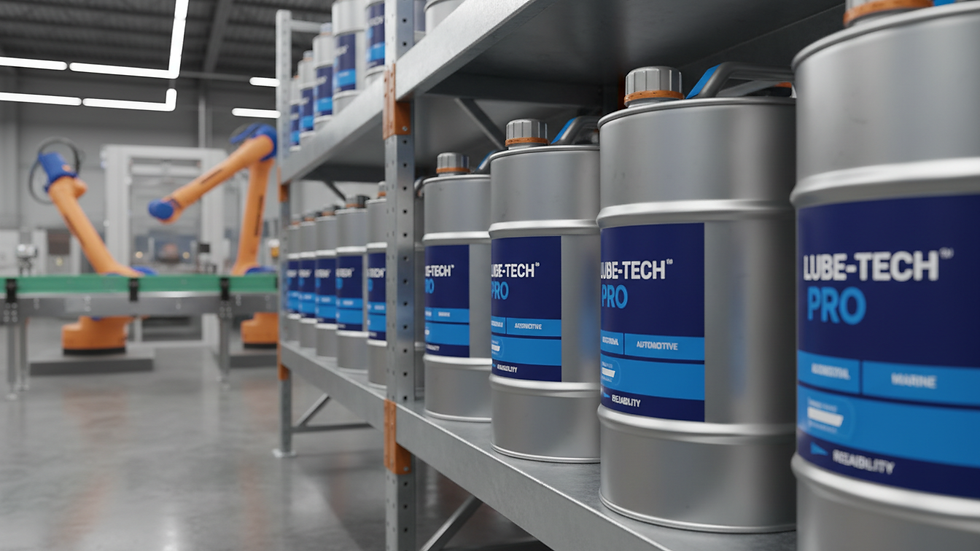
What is the most common industrial lubricant?
The most common industrial lubricant is mineral oil-based lubricants. These oils are widely used because they offer a good balance of cost, performance, and availability. They work well in many applications, from heavy machinery to food processing equipment, especially when enhanced with additives to improve properties like oxidation resistance and wear protection.
Synthetic lubricants are gaining ground too, especially in high-temperature or high-pressure environments. They last longer and perform better but come at a higher price. Choosing between mineral and synthetic depends on your specific needs and budget.
Understanding the common types helps you make informed decisions and avoid overspending on lubricants that don’t fit your equipment.
How to Extend Lubricant Life and Cut Costs
Extending the life of your lubricants is one of the best ways to reduce costs. Here’s how you can do it:
Keep lubricants clean. Contamination is the biggest enemy. Use proper storage containers and filtration systems.
Monitor lubricant condition regularly. Use oil analysis to detect degradation or contamination early.
Avoid over-lubrication. Too much lubricant can cause overheating and waste.
Maintain equipment properly. Leaks and worn seals increase lubricant consumption.
Use additives wisely. Some additives can extend lubricant life and improve performance.
By following these steps, you reduce the frequency of lubricant changes and lower your overall industrial lubricant cost.

The Role of Custom Blending in Cost Management
Custom blending is a game-changer for managing lubricant costs. Instead of buying off-the-shelf products, you get lubricants tailored to your exact needs. This approach offers several benefits:
Optimised performance. Custom blends match your equipment’s requirements perfectly.
Reduced waste. You only get what you need, in the right quantities.
Flexible packaging. Choose sizes and types that fit your operation, reducing storage and handling costs.
Improved reliability. Better lubrication means less downtime and fewer repairs.
Working with a partner who offers flexible blending and packing solutions can help you control costs and keep your machines running longer.
Practical Tips for Storage and Handling
Proper storage and handling of lubricants can prevent costly problems. Here’s what I recommend:
Store lubricants in a clean, dry place. Avoid exposure to moisture and extreme temperatures.
Use sealed containers. This prevents contamination and evaporation.
Label everything clearly. Avoid mix-ups that can damage equipment.
Rotate stock regularly. Use older stock first to prevent degradation.
Train staff on handling procedures. Proper pouring and transfer methods reduce spills and contamination.
These simple steps protect your investment and keep lubricant quality high, which saves money in the long run.
Final Thoughts on Managing Lubricant Costs
Lowering industrial lubricant costs is about smart choices and good habits. From selecting the right product to custom blending and proper storage, every step counts. By focusing on these areas, you reduce waste, extend lubricant life, and keep your equipment running smoothly.
Remember, managing lubricant costs is not just about buying cheaper products. It’s about getting the best value and performance for your money. With the right approach, you can boost efficiency, reduce downtime, and save significantly on your industrial lubricant expenses.
Start today by reviewing your current lubricant use and storage practices. Small changes can lead to big savings.
If you want to explore more about how to optimise your lubricant use and reduce costs, check out Thames Lubricants Ltd for tailored solutions that fit your business needs.


Comments